
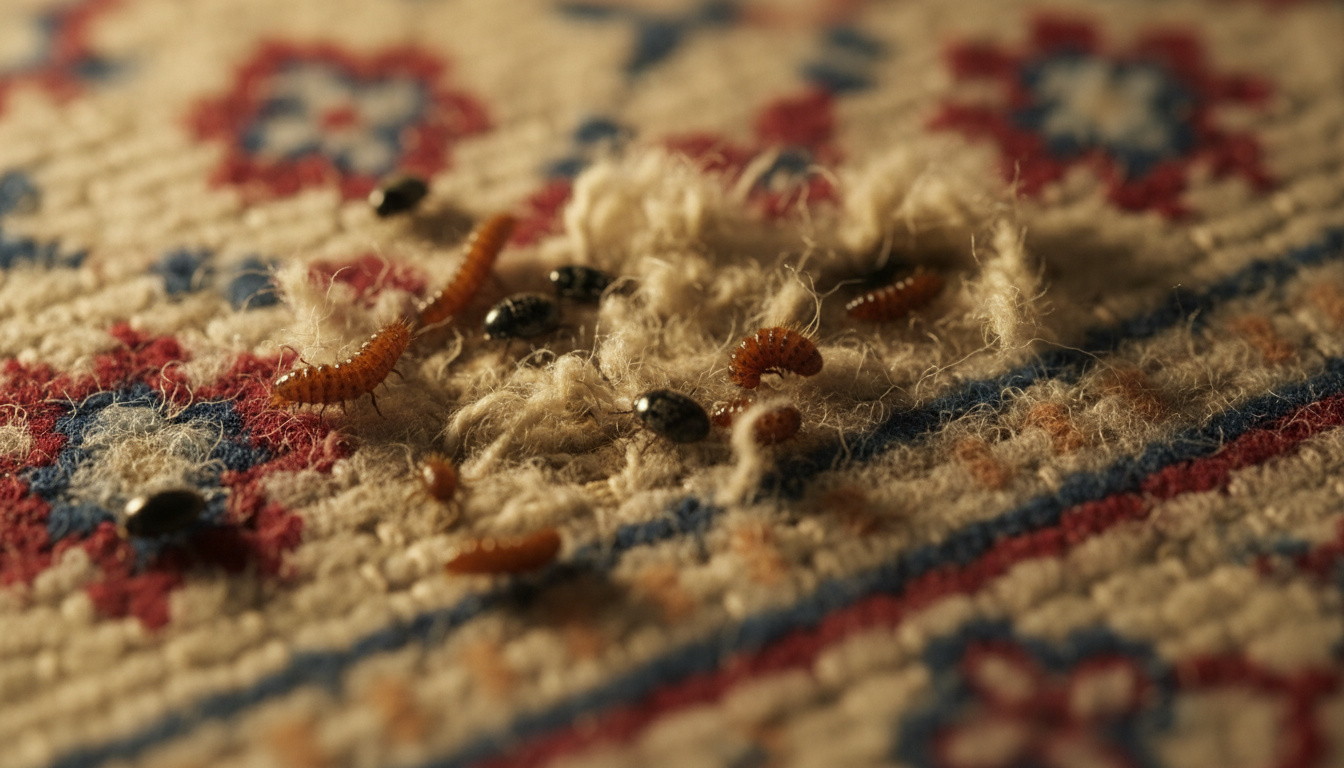

Carpet beetles represent one of the most economically significant yet frequently underestimated household pests throughout temperate climates. While adult specimens pose negligible direct threat to human health or synthetic materials, their larval stage drives substantial destruction of natural textiles, vintage woollens, and organic furnishings within residential environments.
Understanding what causes carpet beetles to establish breeding populations requires examining both their biological dependency on keratin-rich substrates and the architectural conditions that facilitate entry. Unlike parasitic pests seeking blood meals, these insects exploit accumulated organic debris, inadequate textile storage, and structural vulnerabilities to sustain lifecycle stages spanning multiple years.
Contemporary housing stock, combined with the popularity of second-hand vintage furnishings and synthetic insulation materials that provide harbourage, has expanded the ecological niche for these insects beyond traditional wool-storing households. Evidence indicates that central heating systems and reduced ventilation rates in modern construction create microclimates favourable to uninterrupted larval development.
What Causes Carpet Beetles in the House?
Infestations originate from the convergence of accessible food sources and entry vectors. Research indicates that larvae specifically target animal-origin materials, while adult beetles facilitate dispersal through attracted flight patterns toward illuminated apertures.
Animal-origin fabrics (wool, silk, fur, leather) and accumulated keratin debris (pet hair, dander, lint) provide essential nutrition for larval development.
Dark, undisturbed areas including closets, attics, baseboards, air ducts, wall voids, and beneath furniture where debris accumulates.
Immature stages cause physical damage through feeding, creating irregular holes in textiles, while adults primarily seek pollen and nectar outdoors.
Rare dermal irritation or respiratory sensitivity may occur in predisposed individuals through contact with larval setae (bristly hairs) and shed skins.
Key Insights on Carpet Beetle Infestation Drivers
- Natural fibre dependency: Developing larvae possess enzymatic capabilities to digest keratin, requiring wool, silk, fur, felt, or leather for sustenance.
- Light attraction vectors: Flying adults enter through unscreened windows and doors, particularly during spring and summer emergence periods.
- Secondary importation: Cut flowers, garden plants, and second-hand furniture frequently harbour egg-laying females or developing larvae.
- Organic debris reservoirs: Pet hair, lint, dead insects, and old food stores within wall voids sustain populations independent of valuable textiles.
- Architectural entry points: Gaps around utility penetrations, vents, and deteriorated sealing provide access routes for initial colonisation.
- Nesting associations: Bird, rodent, or wasp nests adjacent to structures introduce beetles that subsequently migrate indoors.
- Clutter facilitation: Undisturbed storage areas allow uninterrupted larval feeding cycles lasting from months to three years depending on environmental conditions.
| Aspect | Details |
|---|---|
| Adult dimensions | 2–5 millimetres, oval, patterned colouration |
| Larval morphology | Bristly, brown, carrot-shaped, up to 5mm length |
| Damage signature | Irregular holes, thinning areas in natural fabrics |
| Egg production | 50–100 eggs per female in dark, secluded locations |
| Developmental duration | 6 months to 3 years (species and temperature dependent) |
| Seasonal activity | Adult emergence and entry peaks during spring/summer |
| Fecal evidence | Brown granular pellets resembling salt and pepper |
| Disersal behaviour | Larvae wander widely from hatching sites seeking food |
| Primary attractant | Illuminated windows and flowering vegetation |
| Survival substrates | Pet kibble, dead insects, accumulated hair/lint |
Signs of Carpet Beetles
Visible deterioration of textiles often represents the primary indication of established larval populations. Unlike moth damage that creates surface grazing, carpet beetle larvae typically excavate irregular holes through the entire fabric thickness, particularly in wool rugs, upholstery, and stored clothing.
Visual Evidence of Infestation
Comprehensive inspection should focus on darkened recesses where debris accumulates. Characteristic indicators include the presence of cast larval skins, which appear as translucent, bristly shells shed during successive molts. Live specimens display distinctive carrot-shaped bodies covered with dense setae. Fecal pellets, appearing as minute brown or black granules resembling ground pepper, often accumulate beneath infested articles. Adult beetles frequently congregate near window sills and light fixtures, having flown toward illumination sources.
While carpet beetles do not bite humans, contact with larval setae may induce dermal irritation or respiratory sensitivity in predisposed individuals through mechanical irritation from shed skins and bristles.
Do Carpet Beetles Bite Humans?
No evidence indicates that carpet beetles or their larvae possess biting mouthparts adapted for skin penetration. Unlike hematophagous parasites such as fleas or bed bugs, these insects possess mandibles specialised for keratin digestion. The absence of blood-feeding behaviour eliminates bite risk, though the presence of wandering larvae on bedding or skin may cause alarm mistaken for biting activity. Individuals experiencing skin reactions in infested properties should consider consultation regarding Fexofenadine 180 mg safety guide for antihistamine protocols appropriate to allergic dermatitis, distinct from parasitic bites.
How to Get Rid of Carpet Beetles
Effective eradication requires interrupting the lifecycle through mechanical removal, environmental modification, and targeted chemical intervention where appropriate. The dispersal behaviour of larvae necessitates treating areas well beyond visible damage sites.
Mechanical and Thermal Interventions
Intensive vacuuming of carpets, rugs, upholstery, baseboards, and crevices physically removes larvae, eggs, and nutritional debris. Vacuum bags require immediate disposal to prevent reinfestation. Infested textiles respond to thermal treatment: washing in water exceeding 60°C kills all life stages, while freezing articles in airtight containers for 48 hours provides non-chemical mortality for delicate items unsuitable for washing. Steam cleaning penetrates deep into upholstery fibres and carpet piles where mechanical vacuuming proves insufficient.
Chemical Control Applications
Spot treatment of cracks, baseboards, and voids with residual insecticides targets hidden populations, though direct application to fabrics risks staining and human exposure. Food-grade diatomaceous earth applied to crevices causes physical desiccation of arthropods through abrasion of cuticular waxes. Severe infestations require professional fumigation services to address widely dispersed larvae within structural voids and ductwork.
Carpet Beetle Spray Effectiveness
Contact sprays provide limited efficacy against cryptic larvae concealed within fabric folds and structural gaps. Insecticide formulations prove most effective when applied as perimeter barriers and void treatments rather than surface sprays on damaged textiles. Monitoring via sticky traps positioned near windows and suspected harborage areas indicates treatment success through reduced adult capture rates over time.
How to Prevent Carpet Beetles
Long-term prevention relies upon eliminating nutritional resources and entry pathways through systematic sanitation and structural maintenance. Evidence suggests that rigorous cleaning protocols reduce infestation probability more effectively than chemical prophylaxis alone.
Establish weekly vacuuming routines targeting carpets, rugs, upholstery, and baseboards. Schedule professional air duct cleaning biennially to remove accumulated lint and hair that sustains cryptic populations.
Sanitation and Storage Measures
Woollens, silks, and furs require storage in airtight containers, cedar chests, or vacuum-sealed bags with naphthalene or paradichlorobenzene repellents. Regular inspection of stored textiles detects early infestation before extensive damage occurs. Immediate laundering of vintage acquisitions and thorough inspection of second-hand furniture prevents introduction of eggs or larvae. Removal of bird, rodent, and wasp nests from eaves and wall exteriors eliminates reservoir populations adjacent to structures.
Inspect cut flowers, garden produce, and second-hand textiles thoroughly before introducing them to unprotected storage areas within the home environment.
Structural Exclusion Strategies
Sealing cracks around window frames, door jambs, utility penetrations, and foundation gaps restricts adult entry. Installing fine mesh screens on windows and ventilation openings prevents attracted adults from accessing interior spaces. Positioning flowering vegetation away from immediate building perimeters reduces the concentration of pollen-seeking adults near entry points.
Carpet Beetle Lifecycle Timeline
Understanding developmental timing informs effective intervention strategies, as different life stages exhibit varying vulnerabilities and durations.
- Egg Deposition (1–2 weeks): Gravid females deposit 50–100 eggs in dark, secluded microhabitats proximal to larval food sources following entry into structures or emergence from outdoor pupation sites. Source
- Larval Emergence and Feeding: Eclosed larvae, immediately beginning keratin consumption, possess dense bristly setae earning them the common name “woolly bears.” This destructive stage persists from several months to three years depending on temperature, humidity, and food quality, involving multiple instars and dispersal behaviours. Source
- Pupal Transformation (1–3 weeks): Mature larvae form protective cocoons within which metamorphosis to the adult instar occurs, typically in undisturbed cracks or within the substrate itself.
- Adult Dispersal and Reproduction: Reproductive adults emerge with functional wings, seeking outdoor pollen and nectar sources while demonstrating positive phototaxis toward illuminated windows. Adult longevity remains brief, focusing entirely on mate location and oviposition before senescence.
Do Carpet Beetles Bite? Facts vs Uncertainties
Clarifying biological capabilities versus common misconceptions assists appropriate response to detection.
| Established Information | Information Remaining Unclear |
|---|---|
| No hematophagous (blood-feeding) behaviour documented in any life stage | Specific prevalence rates of allergic dermatitis among UK populations exposed to larvae |
| Mandibular structures adapted exclusively for keratin digestion, incapable of skin penetration | NHS-specific clinical guidelines regarding differential diagnosis of carpet beetle-related skin reactions |
| Larval setae (bristles) serve defensive functions, not offensive biting mechanisms | Long-term respiratory health effects from chronic exposure to airborne larval fragments and frass |
| Adults feed on pollen and nectar, lacking mouthparts for solid fabric consumption | Threshold levels of infestation density required to trigger sensitisation in atopic individuals |
| Physical damage limited to material goods (textiles, taxidermy, natural history collections) | Comparative efficacy of integrated pest management versus chemical-only approaches in residential settings |
Why Carpet Beetles Infest Modern Homes
The persistence of carpet beetles in contemporary housing reflects the convergence of biological opportunism and anthropogenic environmental modification. Central heating systems maintain temperatures conducive to accelerated larval development throughout winter months, eliminating seasonal population bottlenecks that historically restricted range expansion.
The resurgence of vintage textile appreciation and second-hand furniture markets introduces infested materials from diverse provenances into domestic settings lacking historical exposure. Additionally, construction practices emphasising energy efficiency reduce air exchange rates, creating stable microclimates within wall voids and insulation layers where populations establish undetected for extended periods.
Urban wildlife interfaces, particularly bird nesting in eaves and attic spaces, maintain reservoir populations that continuously seed interior environments through structural gaps. The Increase Mounjaro dose gradually approach to metabolic management, while unrelated to entomology, illustrates the broader principle of incremental intervention strategies applicable to integrated pest management protocols.
Expert Sources on Carpet Beetle Biology
Current understanding derives from cooperative extension research and commercial pest management investigations.
Carpet beetles undergo complete metamorphosis including egg, larval, pupal, and adult stages. Larvae are the primary damaging stage, feeding on a variety of animal-based materials including wool, fur, feathers, horns, and dead insects.
Adults are attracted to lights and flowers. They enter homes through open windows, doors, or cracks and lay eggs on woollen carpets, rugs, and clothing.
Summary: Addressing Carpet Beetle Infestations
Successful management of carpet beetle populations requires immediate vacuuming of affected areas, thermal or chemical treatment of infested textiles, and sealing of structural entry points to prevent reinfestation. Persistent populations necessitate professional pest control intervention to address widely dispersed larvae within structural voids. Regular inspection of stored woollens and second-hand acquisitions remains essential for long-term prevention, complementing the systematic approach outlined in the Increase Mounjaro dose gradually methodology for sustained residential health management.
Frequently Asked Questions
What causes carpet beetles nhs?
Current research contains no specific NHS guidance regarding carpet beetles. General medical consensus indicates they do not bite or transmit disease, though larval hairs may cause minor skin irritation in sensitive individuals.
What causes carpet beetle larvae?
Larvae emerge from eggs laid near keratin-rich food sources including wool, silk, fur, pet hair, and accumulated lint. Nutrient availability and environmental humidity determine survival rates and developmental speed.
Do carpet beetles fly into houses?
Yes. Adult beetles possess functional wings and demonstrate positive phototaxis, flying toward illuminated windows and doors during spring and summer emergence periods, entering through unscreened apertures.
Can carpet beetles live in beds?
While larvae may wander onto bedding seeking food or pupation sites, they do not colonise mattresses like bed bugs. Presence in bedrooms usually indicates nearby infested textiles or accumulated dust beneath beds.
How long do carpet beetles live inside homes?
Complete lifecycles span 6 months to 3 years depending on temperature and food availability. Larval stages

Hanna oversees reviews and standards at DailyBrief. With a background in health and consumer journalism, she second-reads our health, money and other sensitive articles against primary sources — the NHS, NICE, Mayo Clinic and official government guidance — before they publish, and writes much of our wellbeing and personal-finance coverage.