
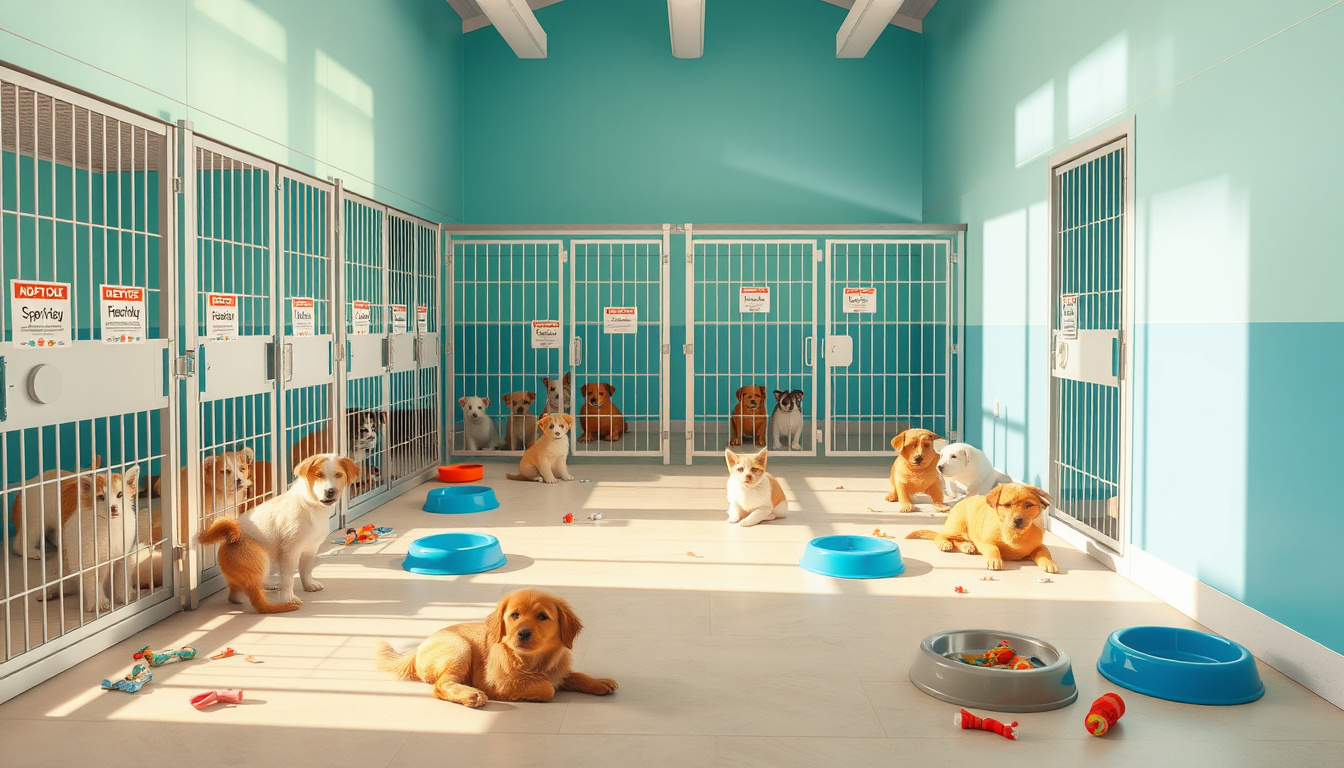
If you’ve spent any time looking into dog rescue in the UK, chances are Many Tears Animal Rescue has crossed your radar. This South Wales charity specializes in rehabilitating dogs from puppy farms—animals that often arrive with little socialization and big emotional baggage. But how does the process actually work, and what should you expect before bringing one of these dogs home? This guide walks you through what the organization does, how its adoption process works, and what adopters say about the experience.
Location: Llanelli, South Wales · Focus: Puppy farm dogs · Network: Foster homes throughout UK · Reviews: 130 on Trustpilot · Base: Carmarthenshire, UK
Quick snapshot
- Registered charity governed by the Charity Commission (Many Tears FAQs)
- Based in Carmarthenshire, Wales with UK-wide foster network (Many Tears Official)
- Never pays breeders or owners for surrendered dogs (Many Tears FAQs)
- Exact founding date as registered charity (pre-2010s, per forum records) (Dog Forum UK)
- Resolution status of any past investigation into dog acquisition methods (Dog Forum UK)
- Total number of dogs rehomed to date (Many Tears Official)
- Charity registration occurred sometime before the 2010s (Dog Forum UK)
- Current operations with UK-wide foster placements remain ongoing (Many Tears Official)
- Continued focus on puppy farm dog rehabilitation (Many Tears FAQs)
- Adoption process streamlined to days rather than weeks (Many Tears FAQs)
The table below consolidates key operational details about the rescue organization.
| Field | Value |
|---|---|
| Headquarters | Llanelli, Carmarthenshire |
| Coverage | Foster homes UK-wide |
| Primary Rescue Type | Puppy farm dogs |
| Reviews Count | 130 on Trustpilot |
| Website | www.manytearsrescue.org |
| Governing Body | Charity Commission |
| Complaint Response | 10 days |
| Adoption Collection Window | 3 days |
What is Many Tears Animal Rescue?
Many Tears Animal Rescue is a dog rescue charity based in Carmarthenshire, South Wales, with dogs placed in foster homes throughout the UK (Many Tears Official). The organization specializes in rescuing dogs from puppy farms—facilities where dogs are bred repeatedly with little human interaction or veterinary care.
Location and coverage
While the charity’s headquarters sit in Llanelli, its reach extends across the entire United Kingdom through a network of volunteer foster carers. Dogs are transported from the Welsh base to foster homes in England, Scotland, and Wales, where they receive initial rehabilitation and socialization before adoption (Many Tears Official). This distributed model allows the charity to place dogs far beyond what a single physical shelter could manage.
Mission focus on puppy farms
The rescue takes in dogs from breeders, hunters, pounds, members of the public, police, and authorities (Many Tears FAQs). A core policy is that the organization never pays breeders or owners for surrendered dogs—meaning puppy farm operators receive no financial incentive to continue their business by selling to the rescue (Many Tears FAQs). This approach distinguishes Many Tears from rescues that purchase dogs from breeders.
The implication: this ethical sourcing stance shapes the entire intake model, limiting where dogs come from but strengthening the organization’s anti-puppy-farm positioning.
The Charity Commission governs Many Tears with audited accounts, providing accountability that some smaller rescues lack.
What is the 3-3-3 rule with dogs?
The 3-3-3 rule describes the adjustment timeline most rescue dogs experience when entering a new home. Understanding this framework helps adopters set realistic expectations for their new companion’s behavioral journey (The Adoption Show).
Days 3: Decompression
During the first three days, many rescue dogs display stress behaviors—they may refuse food, hide, or show limited interest in interaction. For Many Tears dogs, who often arrive from traumatic breeding situations, this phase can be particularly intense (Many Tears FAQs). Adopters should resist the urge to over-stimulate their new dog and instead provide a calm, predictable environment.
Days 21: Settling in
By the third week, dogs typically begin showing their true personalities. Fear responses may diminish, and the dog starts building trust with family members. Many Tears foster volunteers report that dogs begin responding to basic commands and show curiosity about their surroundings during this phase.
Days 90: True personality
At the three-month mark, most rescue dogs have fully acclimated to their new homes. This is when adopters get a genuine sense of their dog’s temperament, activity level, and quirks. The implication: don’t judge a rescue dog within the first weeks—patience through the 90-day mark reveals who the dog truly is.
Adopters who understand the 3-3-3 rule are less likely to return dogs during the difficult early weeks, which is critical since returns can retraumatize already vulnerable animals.
What is the hardest part of adopting a rescue dog?
Adopting from Many Tears comes with unique challenges that differ from bringing home a puppy from a breeder. The hardest aspects revolve around behavioral adjustment and emotional preparation.
Adjustment period
Many Tears dogs often arrive with no concept of ordinary household life. Walking on a lead, encountering traffic, or experiencing indoor heating can all be novel and frightening experiences. The adoption process includes a home check requirement before approval, ensuring the living situation matches the dog’s needs (Many Tears FAQs). Staff or fosterers speak directly to applicants before reserving dogs, helping identify potential mismatches early.
Behavioral challenges
Dogs from puppy farms may exhibit fear-based behaviors, including resource guarding, sensitivity to touch, or aggression triggered by specific situations. Employees at Many Tears note that the rescue handles huge numbers of ex-breeding dogs efficiently, though the job is emotionally demanding (Indeed Reviews). An employee review highlights that managers need holiday support due to job stress—a sign of how taxing the work can be (Indeed Reviews).
Emotional preparation
Prospective adopters must prepare for the possibility of setbacks. A dog that seemed perfectly behaved in foster care may develop issues when fully comfortable in a new environment. Forum users on Champdogs have criticized Many Tears’ policy of neutering all rehomed dogs regardless of other pets in the household (Champdogs Forum). Adopters should weigh this policy against their own circumstances.
The catch: adopters who enter the process expecting a fully-adjusted pet will face disappointment, while those prepared for a gradual journey often find the transformation deeply rewarding.
How do dogs say I love you?
Understanding how dogs express affection helps rescue adopters recognize bonding progress, which can be slow but deeply rewarding with puppy farm dogs.
Body language signs
Tail wagging, sustained eye contact, and physical leaning against their owner are classic signs of canine affection. For rescue dogs recovering from trauma, these behaviors often develop gradually. A dog that initially avoids eye contact may eventually seek it out as trust builds—a powerful moment for adopters who have invested weeks in patience.
Bonding behaviors
Cuddling, following owners from room to room, and bringing toys as gifts indicate deepening attachment. Many Tears dogs, given their backgrounds, may take longer to display these behaviors. The reward comes when a dog who arrived shut down begins initiating contact—proving that emotional healing is possible.
The pattern: rescue dog affection develops in layers, with early caution giving way to the kind of loyalty that makes the 3-3-3 wait worthwhile.
What is the most returned dog breed?
While specific data on breed return rates varies, rescue organizations consistently report that certain high-energy breeds—Labs, Huskies, and similar working dogs—face higher return rates than others. Understanding why helps prospective adopters make informed decisions.
Common reasons for returns
Energy mismatch is the primary driver. Owners underestimate the exercise and mental stimulation needs of active breeds. With Many Tears specifically, the focus on puppy farm dogs means many breeds enter the system—not by choice but through circumstances beyond their control.
Many Tears rehoming insights
Dogs available for adoption include filters like “can’t live with cats” and “adults only” to help match dogs with suitable homes (Many Tears Dogs Page). The rescue rehomes dogs to flats, apartments, houseboats, and caravans if the dog can walk on lead, demonstrating flexibility in housing situations (Many Tears Adoption FAQs). However, adopters with older dogs should consider mobility limitations in upstairs flats.
The implication: return rates can be reduced when adopters honestly assess their lifestyle against a dog’s known energy level before committing.
Upsides
- Charity Commission governance with audited accounts ensures financial transparency
- Fast adoption process: days from application to collection
- UK-wide foster network increases match possibilities
- No payment to breeders—ethical sourcing approach
- Flexible housing policies accommodate various living situations
- Staff and fosterers speak personally with applicants before reservation
Downsides
- Employee Indeed rating of 3.2 suggests workplace stress concerns
- Past forum discussions about investigation rumors remain unresolved publicly
- Neutering policy applies to all rehomed dogs regardless of household circumstances
- Some forum users express discomfort with organization’s puppy farm focus
- Return rates may be higher for high-energy breeds adopted without proper preparation
- Limited information available on exact charity founding date
The adoption process
Many Tears maintains a streamlined adoption process designed to move dogs into homes quickly once approved. Five steps guide applicants from initial inquiry to bringing their dog home.
- Initial inquiry: Contact the rehoming advice line at 01269 843084 or browse available dogs online (Many Tears Adoption FAQs)
- Application: Submit an adoption application; staff or fosterers speak with applicants directly before reserving dogs (Many Tears FAQs)
- Home check: A home visit occurs to verify the living environment suits the dog’s needs (Many Tears FAQs)
- Approval: If approved, collection typically occurs within 3 days (Many Tears FAQs)
- Settlement: Apply the 3-3-3 rule: expect decompression in the first 3 days, settling by day 21, and true personality emerging by day 90
The adoption timeline from Many Tears stands out against industry norms—where other rescues may take weeks for approval, this organization moves from application to home collection in days.
Adoption fees do not cover all costs—the charity relies on donations, legacies, grants, and fundraising to bridge the gap. Donors should understand their contributions directly enable the rescue’s operations.
Many Tears rescues huge numbers of ex-breeding dogs. They are efficient and the team are amazing.
— Anonymous Employee (Indeed Reviews)
They do amazing work and if you’re in Wales then worth a visit.
— Forum User (Horse and Hound Forum)
No, we never pay the breeder or owner of a dog that comes to Many Tears.
— Many Tears Official Statement (Many Tears FAQs)
Related reading: Simparica Trio for Dogs – UK Dosages, Side Effects & Guide · Ragdoll Kittens for Sale in Ireland: Prices & Breeders
While Many Tears specializes in puppy farm dogs, Battersea Dogs & Cats Home offers comparable rehoming insights, fees, and visit details for prospective adopters across the UK.
Frequently asked questions
How to contact Many Tears Animal Rescue?
Call the rehoming advice line at 01269 843084 or visit the official website at www.manytearsrescue.org. Staff and fosterers speak directly with prospective adopters before reserving dogs.
Where is Many Tears Animal Rescue based?
The charity is based in Carmarthenshire, South Wales, specifically in Llanelli. However, dogs are placed in foster homes throughout the United Kingdom, making adoption accessible to applicants across the country.
What dogs are available at Many Tears Animal Rescue?
The organization specializes in puppy farm dogs, including ex-breeding bitches and dogs surrendered by breeders. Available dogs are listed on the website with filters for attributes like “can’t live with cats” and “adults only.”
How long is the 3-3-3 rule adjustment?
The 3-3-3 rule spans 90 days: decompression occurs in the first 3 days, settling happens around day 21, and the dog’s true personality typically emerges by day 90. Adopters should prepare for this extended timeline.
What challenges come with Many Tears adoptions?
Dogs from puppy farms often lack basic socialization and may exhibit fear-based behaviors. Common challenges include lead walking, household noise acclimation, and trust-building. The adoption process includes a home check and staff consultation to help manage expectations.
Are Many Tears Animal Rescue reviews positive?
The organization holds 130 reviews on Trustpilot and an employee rating of 3.2 on Indeed from 33 reviews. Public forums show mixed sentiment—some praise the work as amazing, while others raise questions about charity status and operational practices.
Can I see Many Tears Animal Rescue photos?
Yes, the official website features photos of all available dogs at www.manytearsrescue.org/adopt/dogs/. Filters help narrow searches by characteristics and compatibility requirements.
What is the adoption process for Many Tears dogs?
Submit an application, speak with staff or a fosterer, complete a home check, receive approval, and collect your dog within 3 days. The entire process can take as little as a few days to a week from initial inquiry.

Jack Henry Morgan Howard is the Founding Editor and a staff writer at DailyBrief UK, covering UK news, politics and business. He works to the newsroom's sourcing and fact-checking standards under Editor-in-Chief Eleanor Whitcombe, so that every briefing is concise, accurate and clearly attributed.