
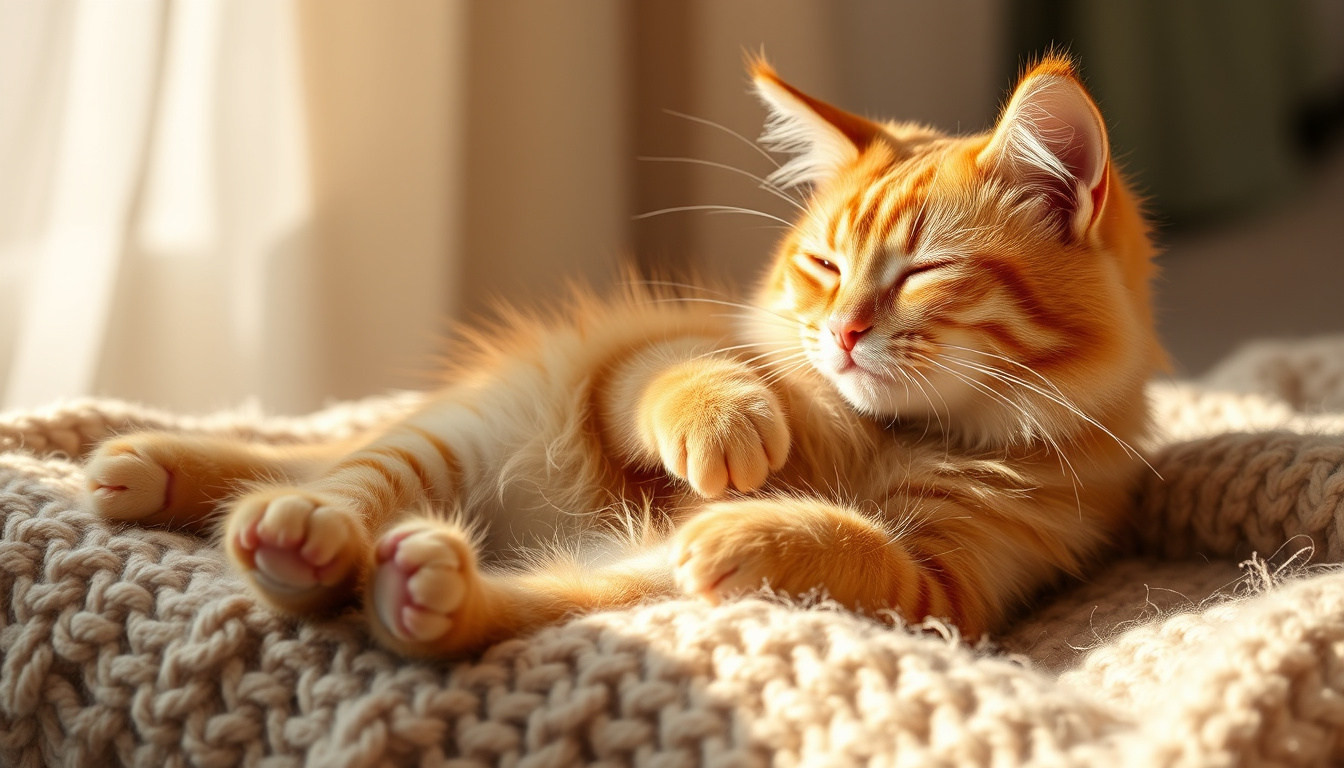

If your cat has ever rhythmically pushed its paws into your lap, a soft blanket, or your chest, you have witnessed kneading—one of the most distinctive feline behaviors. Often called “making biscuits” because the motion resembles a baker working dough, kneading appears across all breeds and ages. Understanding why cats knead requires examining instincts passed down from kittenhood, the chemical responses in the brain, and the various contexts in which this behavior emerges throughout a cat’s life.
Veterinary behaviorists and animal welfare organizations have documented kneading extensively, identifying multiple overlapping explanations. While the behavior may seem puzzling or even uncomfortable when sharp claws are involved, it generally reflects natural feline instincts rather than any cause for concern. This article explores the primary reasons behind kneading, how the behavior manifests in different situations, and what it communicates about your cat’s emotional state.
From marking territory to seeking comfort before sleep, kneading serves several purposes that connect domestic cats to their wild ancestors. Researchers in feline behavior continue to study the neurological and evolutionary foundations of this behavior, revealing links between kneading and other comfort-seeking behaviors like purring and suckling.
Why Do Cats Knead Their Owners at Night?
Nighttime kneading often occurs in the quiet hours before your cat settles down to sleep. This pattern reflects deep-rooted instincts that domestic cats inherited from their wild relatives. When cats knead their owners at night, they are engaging in a behavior that combines comfort-seeking, territory marking, and physical preparation for rest.
When your cat kneads you before curling up beside you, it may be expressing affection while simultaneously preparing a comfortable sleeping spot—a behavior inherited from wild ancestors who trampled down vegetation to create secure resting areas.
Overview: Four Core Reasons Cats Knead
Kneading begins as a kitten’s natural response to stimulate milk flow from the mother cat during nursing. This early behavior creates lasting neurological associations with comfort and contentment.
Adult cats continue kneading when they feel safe, relaxed, or stressed. The rhythmic motion triggers the release of feel-good hormones like dopamine and endorphins.
Cats have scent glands in their paw pads. When they knead surfaces—including their owners—they release pheromones that claim those areas as familiar and safe.
Kneading on or near owners often communicates trust, happiness, and a desire for closeness. Many cats knead before settling onto a lap, displaying what appears to be a bonding gesture.
Key Insights on Feline Kneading
- Evolutionary remnant: The behavior traces back to wild cat ancestors who trampled down grass and vegetation to create nest-like sleeping areas.
- Hormonal comfort: Kneading stimulates the brain’s reward centers, releasing dopamine and endorphins that reinforce the behavior as pleasurable.
- Not exclusive to kittens: While all kittens knead, adult cats commonly retain the behavior throughout their lives, particularly when relaxed or seeking attention.
- Scent marking alternative: Kneading allows cats to mark territory without scratching or spraying, using pheromones from paw pads instead.
- Physical preparation: The motion helps limber up muscles and joints, especially after periods of rest or if stiffness is present from age or minor injuries.
- Mating context: Female cats in heat may knead more frequently, sometimes in the air, as a signal to potential mates—this behavior decreases after spaying.
- Stress indicator: While usually normal, sudden increases in kneading intensity may warrant veterinary attention as they could signal pain, anxiety, or compulsive behavior.
Snapshot Facts
| Fact | Source Type |
|---|---|
| Kneading begins in kittens as a nursing behavior | Observed behavior across all cat breeds |
| Dopamine and endorphins are released during kneading | Documented brain chemical responses |
| Paw pads contain functional scent glands | Feline anatomy research |
| Wild ancestors created bedding through similar motions | Evolutionary biology studies |
| Excessive kneading may indicate underlying issues | Veterinary behavioral guidance |
Why Do Cats Knead on Blankets?
Blankets represent one of the most common surfaces for kneading, particularly at night or during early morning hours. This preference connects to the blanket’s texture—soft, yielding materials mimic the feel of a mother cat’s fur or the vegetation that wild cats used to prepare sleeping areas.
Bed-Making Instinct
The wild ancestors of domestic cats prepared their sleeping spots by trampling down tall grass, leaves, and other vegetation. This behavior created a flattened, comfortable area while also displacing insects and revealing cooler ground beneath. Modern cats retain this instinct, and when they knead blankets, they are essentially following a genetic program that prepared their ancestors for rest.
This bed-making instinct explains why kneading on blankets often occurs right before sleep. Your cat is simultaneously preparing a comfortable resting spot and engaging in a self-soothing behavior that helps them transition to rest. International Cat Care notes that this behavior is entirely normal and reflects natural feline instincts rather than any learned response.
Scent Marking on Soft Surfaces
Blankets and bedding absorb and retain scent effectively, making them ideal surfaces for territory marking. When a cat kneads a blanket, the scent glands in its paw pads deposit pheromones that communicate ownership and familiarity. Multiple cats in a household may knead the same blanket, each adding their scent signature to establish a collective scent profile that reinforces group bonding.
Why Does My Cat Knead My Blanket and Purr?
The combination of kneading and purring represents one of the clearest signals of contentment in feline behavior. When these two behaviors occur together, they typically indicate that your cat feels safe, comfortable, and emotionally connected to their environment—including you.
The Pleasure Connection
Both kneading and purring activate the brain’s reward pathways, releasing feel-good neurotransmitters like dopamine. When a cat kneads while purring, it is essentially reinforcing positive associations with the current situation. This combination often appears when cats are being petted, settling into a comfortable spot, or seeking closeness with their owners.
When kneading and purring occur together, particularly on blankets or a owner’s lap, cats are typically expressing deep relaxation and trust. The behaviors originate from different developmental stages—kneading from nursing and purring from mother-kitten bonding—but have merged into a unified contentment signal in adult cats.
Why Do Cats Knead and Suckle?
Some cats extend their comfort-seeking behavior to include suckling—drawing soft fabric or blankets into their mouth while kneading. This combination, sometimes called “wool-sucking,” connects to the nursing behavior that kneading originated from. VCA Hospitals explains that this behavior mimics the kitten’s association between kneading and milk access, creating a nostalgic comfort response that persists into adulthood.
Why Do Cats Make Biscuits on Me?
When cats knead directly on their owners, they are combining several motivations. The primary impulses include showing affection, claiming their human as part of their territory, and preparing a comfortable resting spot on your body. Many cats specifically target stomachs, chests, or laps—areas where they can settle close to their owner and feel the warmth and rhythm of breathing.
The intensity of kneading can vary significantly between individual cats. Some cats knead gently with retractable claws, while others dig deeply enough to cause discomfort. This variation often reflects individual temperament rather than intent to harm—many cats that knead intensely are simply caught up in the pleasurable sensation without awareness of their claws.
Why Do Male Cats Knead?
Kneading occurs across both sexes with no significant behavioral differences between male and female cats in most contexts. The instinct originates from kittenhood nursing behavior, which applies equally to males and females. The ASPCA notes that neutered males and spayed females show the same kneading patterns related to comfort, territory marking, and affection.
When Kneading Differs by Sex
The primary context where sex influences kneading involves mating behavior. Intact female cats in heat frequently knead more than usual, often in the air while stretching and purring to attract males. This behavior signals reproductive readiness through pheromone release combined with the visual display of kneading motions. After spaying, this heat-related increase in kneading typically diminishes or disappears entirely.
Sudden increases in kneading intensity, frequency, or duration in any cat—whether male or female—may warrant veterinary consultation. Changes in this behavior can sometimes indicate pain, particularly in older cats with arthritis, or heightened stress that benefits from professional assessment.
The Development of Kneading Behavior Over Time
Understanding kneading requires examining how the behavior evolves from early kittenhood through adulthood. This developmental timeline reveals how an instinct rooted in survival has transformed into a multi-purpose behavior in domestic cats.
- Early kittenhood: Kneading emerges within days of birth as kittens use the motion to stimulate milk flow from their mother. This behavioral sequence is essential for survival and creates immediate neurological reward associations.
- Later kittenhood: As kittens grow, kneading continues alongside nursing but begins serving secondary purposes like stretching muscles and self-soothing during brief separations from the mother.
- Socialization period: Kittens weaned onto solid food begin applying kneading to non-nursing contexts, discovering that the motion provides comfort and releases tension.
- Adolescence: Young cats experiment with kneading in various situations, often increasing intensity as they test boundaries and establish territory within their homes.
- Adulthood: Most adult cats develop consistent kneading patterns tied to specific contexts—often nighttime, morning, or periods of relaxation—using the behavior as a reliable self-soothing tool.
- Senior years: Older cats may increase kneading frequency if experiencing stiffness or joint discomfort, using the rhythmic motion to limber up after rest periods.
What Science Says and What Remains Uncertain
Research into feline kneading behavior has established several facts with confidence while leaving other questions open for continued investigation.
| Established Understanding | Areas of Uncertainty |
|---|---|
| Kneading behavior begins in kittenhood as a nursing instinct | The precise neurological pathways for dopamine release during kneading lack detailed mapping in cats |
| Paw pad scent glands function in territory marking | Whether all cats experience equivalent pleasure from kneading or if individual variation exists |
| The bed-making instinct links to wild ancestor behavior | How much conscious awareness cats have when kneading—whether they deliberately choose to mark territory or experience it as purely instinctive |
| Female cats use kneading signals during heat cycles | Whether kneading in specific contexts indicates specific emotional states beyond general contentment or relaxation |
| Excessive kneading changes may indicate health issues | The exact threshold between normal and compulsive kneading behavior |
The Evolutionary Purpose Behind Kneading
Kneading behavior offers insight into how domestic cats have retained ancient instincts while adapting to life alongside humans. The persistence of this behavior across thousands of years of domestication suggests it serves important functions that have not been replaced by learned alternatives.
The original purpose of kneading involved survival: kittens who kneaded effectively received more milk and thrived. Beyond nutrition, the behavior helped kittens bond with their mothers and establish secure attachment. These early associations created deep neurological pathways that remain active throughout life, even though the original motivation—accessing milk—no longer applies.
Wild cat ancestors used similar motions to create safe sleeping areas, stomping down vegetation to form comfortable nests away from predators. PetMD notes that this evolutionary history explains why kneading often precedes sleep and occurs on soft surfaces that can be shaped into resting spots.
Expert Perspectives on Feline Kneading
“Kneading is one of the most charming behaviors cats display, and it connects us directly to their earliest experiences as kittens at their mother’s side.”
“When your cat kneads you, they’re showing you the same kind of trust they showed their mother. It’s a profound compliment, even when those claws are a bit sharp.”
“The combination of kneading and purring represents the feline equivalent of a deep, contented sigh—your cat is telling you they’re safe and happy in your presence.”
Summary: Understanding Your Cat’s Kneading
Kneading represents a complex feline behavior rooted in kittenhood instincts but serving multiple purposes throughout a cat’s life. When your cat rhythmically pushes its paws into soft surfaces—your lap, blankets, or bedding—it is engaging in a behavior that marks territory, releases feel-good chemicals, prepares comfortable sleeping areas, and communicates affection and contentment.
The behavior typically reflects a healthy, happy cat. However, sudden changes in kneading intensity or frequency deserve attention, as they may indicate pain, stress, or compulsive tendencies that benefit from veterinary consultation. Providing soft blankets and acceptable surfaces can help redirect kneading away from sensitive areas while still allowing your cat to express this natural instinct.
Understanding kneading deepens the bond between cats and their owners, revealing how ancient instincts manifest in domestic settings. Whether your cat makes biscuits on your stomach at midnight or kneads a favorite blanket each morning, this behavior connects your pet to thousands of years of feline evolution—reminding us that our modern companions retain the instincts of their wild ancestors while forming unique relationships with the humans who share their lives. For guidance on other feline health topics, explore our article on why medication dosages change gradually.
Frequently Asked Questions
Is kneading painful, and how can I prevent discomfort?
While kneading is natural, claws can cause skin irritation. Keeping nails trimmed, placing a thick blanket between you and your cat, or gently redirecting the behavior to acceptable surfaces can help.
Why does my cat knead more at night than during the day?
Nighttime kneading connects to your cat’s natural activity cycle and the bed-making instinct. The quiet hours before sleep often trigger this behavior as your cat prepares to rest.
Should I stop my cat from kneading?
Kneading is a normal, healthy behavior. Rather than stopping it entirely, provide appropriate surfaces like soft blankets and keep nails trimmed to minimize any discomfort.
Can kneading indicate my cat is stressed?
While kneading usually signals contentment, suddenly increased kneading or kneading that seems compulsive may indicate stress or anxiety. Consult a veterinarian if changes are dramatic.
Why does my cat suckle fabric while kneading?
Suckling combined with kneading extends the comfort-seeking behavior from kittenhood. This is generally normal, though excessive suckling may warrant veterinary attention to rule out underlying issues.
Do all cat breeds knead equally?
All cat breeds can exhibit kneading, though individual cats within any breed vary. There is no strong evidence that kneading frequency differs systematically between breeds.
My older cat has started kneading more—is this normal?
Older cats often increase kneading, particularly to address stiffness after rest periods. This can be normal, but sudden increases in senior cats should be discussed with a veterinarian.
Why do cats knead exclusively with their front paws?
Front paw kneading originates from the nursing position where kittens use their forelegs to stimulate milk flow. The behavior remains specific to front paws throughout life.

Hanna oversees reviews and standards at DailyBrief. With a background in health and consumer journalism, she second-reads our health, money and other sensitive articles against primary sources — the NHS, NICE, Mayo Clinic and official government guidance — before they publish, and writes much of our wellbeing and personal-finance coverage.